





Seasonal thermal energy storage
Inter-seasonal thermal energy storage also called seasonal thermal energy storage (STES) works in a very similar way to ground source heat pumps in that heat or coolth is store in, effectively, a battery with the main difference being that rather than extracting the existing heat or coolth from the ground via the coupling effect, it actively stores heat in the ground for use many months later.
Most inter-seasonal systems are heating systems that use solar collection to increase the amount of heat energy collected during warmer summer months. The solar collection systems can be relatively simple with a network of pipes laid close to the surface beneath a dark heavy finish, such as black tarmac. As such they can be laid beneath road systems, car parks or playgrounds. Similar to ground source heat pumps, a second system of pipework is installed deeper into the ground, or potentially beneath a buildings foundations.
At a depth of around 7 metres the earth's temperature tends to remain at a natural constant 10 degrees, which is the temperature standard ground source heat pumps run at, in these seasonal systems the extra heat within the solar collectors beneath the surface is pumped down to the deeper levels to achieve a constant temperature of around degrees. The ground loops are specifically designed to be able to take these increased levels of heat and store this over longer periods of time. In the colder winter months when outside temperatures are lower, the heat from the deep pipe systems is extracted via a heat pump and can be used to heat buildings during the colder months.
[edit] Related articles on Designing Buildings
- Coefficient of Performance CoP.
- Dynamic thermal modelling of closed loop geothermal heat pump systems.
- Earth berm.
- Earth bermed buildings.
- Earth to air heat exchangers.
- Energy storage.
- Energy storage for buildings.
- Energy storage - the missing piece?
- Energy targets.
- Environmental policy.
- Emission rates.
- Geothermal pile foundations.
- Geothermal energy.
- Ground coupling effect.
- Ground energy options.
- Ground energy options
- Ground source heat pumps.
- Ground preconditioning of supply air.
- Large scale solar thermal energy.
- Renewable energy sources: how they work and what they deliver: Part 3: Electrically driven heat pumps DG 532 3.
- Thermal labyrinths.
- Sustainability.
- Solar photovoltaics.
- Solar thermal energy.
- The future of UK power generation.
- Thermal labyrinths.
- Wind Energy in the United Kingdom.
[edit] External Links
Featured articles
Check out some of the best features and news from Designing Buildings as well as key stories from around the web.

Why construction can't afford to ignore the skills gap.
Building Safety Regulator, 19 August

Gill Kernick appointed Independent Chair of Residents’ Panel.
Connecting knowledge, technology and conservation
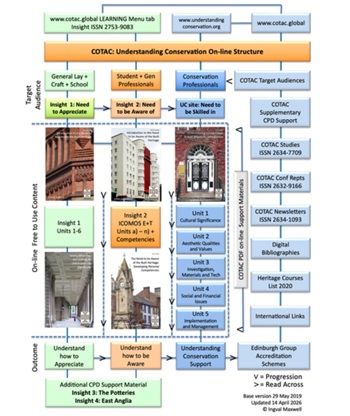
Building competence for the future of built heritage.
Building Regulations and Building Safety Act
CIOB publishes free advice for non-domestic clients.

Building Safety Newsletter from MHCLG.
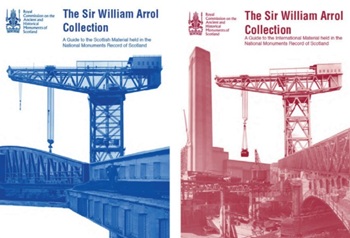
An extraordinary record of steel engineering worldwide.
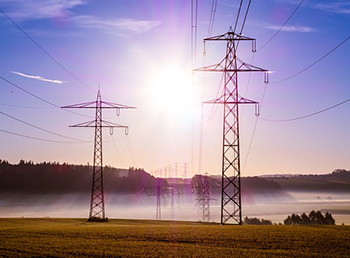
Households living near new pylons to save on bills.

ECA warns growth must not outpace grid capacity or skills.
The role of the client and decision making

CIOB response to built environment professions call for evidence.
Construction's sustainability reporting revolution
Tracking upfront embodied carbon with digital tools.
ECA welcomes procurement reforms

Public spending must back British jobs and skills.
Campaigning for Edinburgh: the Cockburn Association 1875-2049

The role of the civic voice in protecting character. Book review.